
Land of the Sundanese
West Java, located on the island of Java, is one of Indonesia’s most vibrant provinces, characterized by its rich cultural heritage, stunning landscapes, and diverse ecosystems. This region boasts a unique geographical position, bordered by the Java Sea to the north and the Indian Ocean to the south, providing a variety of coastal and mountainous terrains. The capital city, Bandung, is celebrated for its cool climate and colonial architecture, serving as a cultural and educational hub that attracts many visitors.
West Java is home to the Sundanese people, who are known for their traditional arts, music, and dance. The Sundanese culture is rich with local folklore, and various ceremonies take place throughout the year, showcasing vibrant traditions that have been preserved over generations. Tourists exploring West Java can immerse themselves in this cultural tapestry, discovering notable arts and crafts, as well as traditional cuisine that reflects the local lifestyle.
Beyond its cultural offerings, West Java is distinguished by its breathtaking natural beauty. The region features lush rice terraces, volcanic mountain ranges, and serene lakes, making it an ideal destination for nature lovers and adventure seekers alike. Popular destinations such as Tangkuban Perahu, a volcanic crater that offers stunning views and hiking opportunities, or the serene waters of Situ Cileunca, invite visitors to engage with the natural environment. Additionally, the abundance of flora and fauna found within its national parks, such as Gunung Gede Pangrango National Park, underscores the ecological diversity that West Java proudly maintains.
Overall, West Java serves as a microcosm of Indonesia’s vast cultural and natural wealth, with attractions that cater to a wide array of interests, from historical exploration to eco-tourism. This blend of experiences ensures that visitors to the region leave with a deeper appreciation of what West Java has to offer.
Places
West Java Highlights
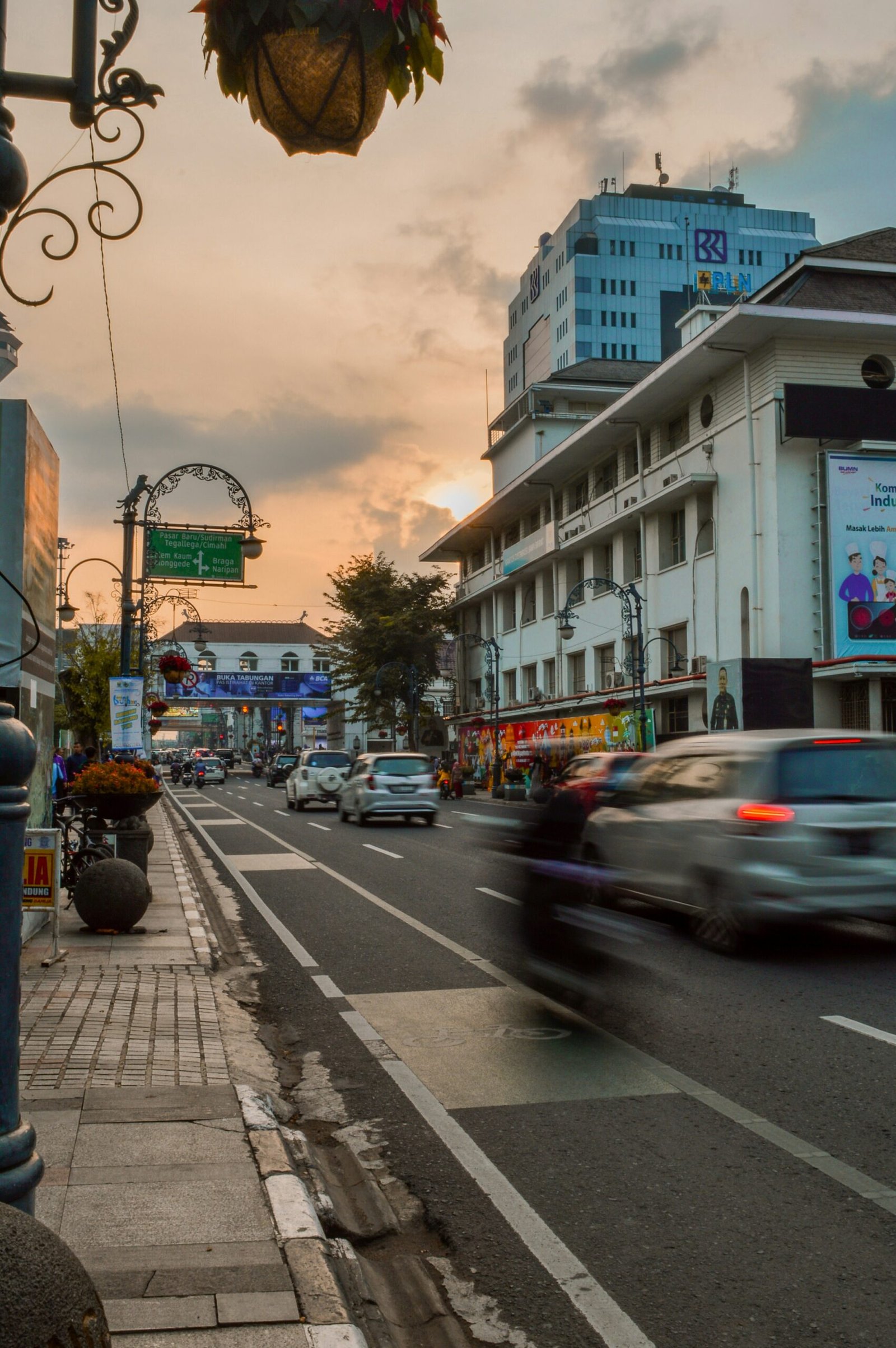
Bandung
Bandung, often referred to as the "Paris of Java," is a prominent city located in West Java, Indonesia, notable for its unique blend of historical significance and contemporary culture. Established during the early colonial period, Bandung is characterized by its distinct architectural styles, which include Art Deco influences that add an air of elegance to the city. Tourists flock to Bandung to relish its historical landmarks, which serve as a testament to its rich heritage.
One of the city's major attractions is Jalan Braga, a street that retains its colonial charms while offering a range of trendy cafes, boutiques, and art galleries. Fashion enthusiasts will appreciate the shopping centers around Paris Van Java Mall and the numerous factory outlets that showcase a variety of local and international brands, making it a prime destination for both shopping and leisure. In addition to its shopping experience, Bandung is renowned for its diverse culinary offerings, particularly the local street food scene. Visitors should not miss trying traditional dishes such as 'batagor' (fried fish dumplings) and 'cendol' (a refreshing dessert).
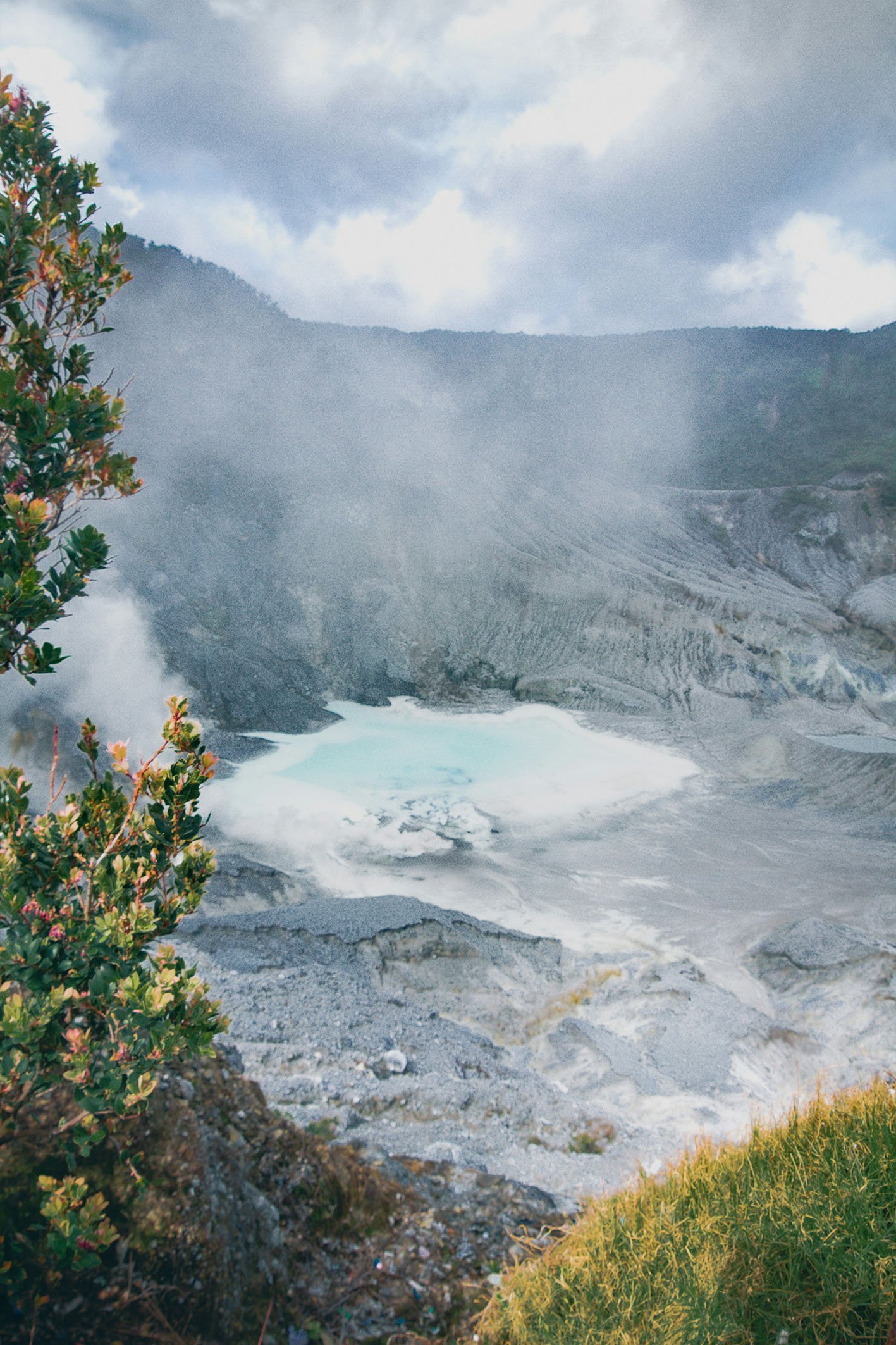
Tangkuban Perahu
Tangkuban Perahu, an active volcano located approximately 30 kilometers north of Bandung, is renowned for its distinctive crater shape resembling an overturned boat, which is reflected in its name in the Sundanese language. This geographical marvel is not only a significant landmark for triumphed travelers but also offers a rich array of both scenic beauty and cultural attributes, making it a must-visit attraction in West Java, Indonesia.
Visitors have the chance to embark on various hiking trails that span the volcano's slopes, each offering a unique perspective of the natural surroundings. The well-maintained trails accommodate both novice and experienced hikers, providing breathtaking views of the surrounding landscape, including lush forests and expansive valleys. Guided tours are available and they enhance this experience by providing informative narratives about the geological features and the history of the area. Hiking up to the main craters, such as Kawah Ratu, Kawah Domas, and others, offers an opportunity to witness the volcanic activity up close, including steaming vents and bubbling mud pools.
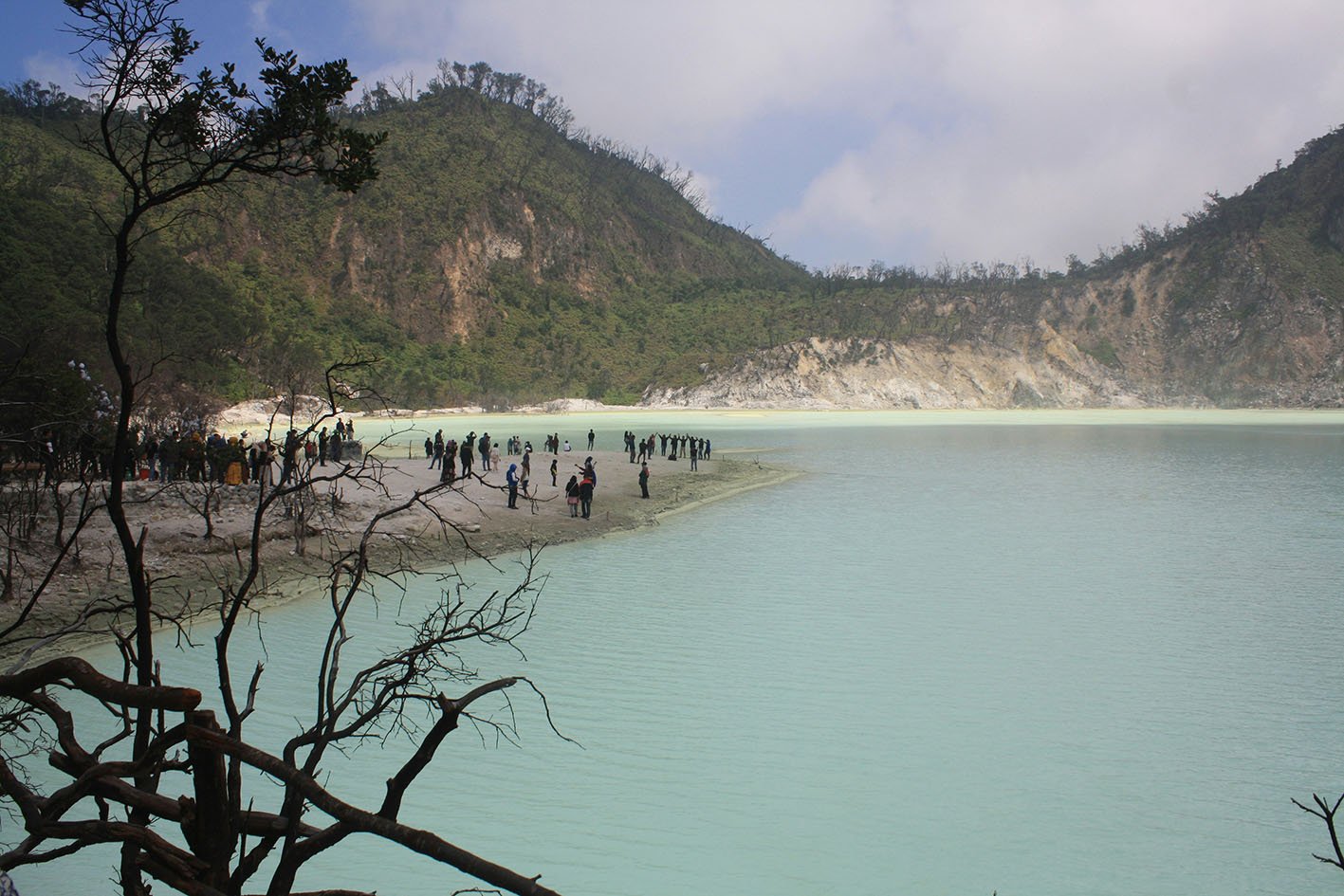
Kawah Putih
Kawah Putih, or White Crater, is among the most breathtaking natural attractions in West Java, Indonesia. Located approximately 50 kilometers south of Bandung, this stunning crater lake is characterized by its milky turquoise waters, which are a result of the high acidity caused by volcanic activity in the region. The landscape is adorned with white sulfur deposits, creating a surreal atmosphere that leaves visitors mesmerized.
Visiting Kawah Putih offers a unique experience, as the area is easily accessible from major cities but feels worlds apart due to its otherworldly charm. Upon arrival, visitors often find themselves captivated by the lake’s vivid colors, particularly on sunny days when the reflections on the water create an enchanting effect. Adventurers can explore the surrounding areas, taking advantage of the well-marked trails